

Tokyo often gets the spotlight — skyscrapers, neon, bullet trains — and for good reason. But the magic of Japan stretches far beyond its buzzing capital. From soulful Kyoto and foodie Osaka to snow‑blanketed Sapporo and island quiet in Hiroshima’s Miyajima — each city brings a different flavor, a different rhythm. These places don’t just demand your visit; they reward your curiosity.
Here are ten (well, technically more than ten when you count sub‑regions) cities that should absolutely be part of your Japan itinerary — the kind you’ll still be thinking about months after you leave.
1. Kyoto: Japan’s Soul in Temple, Garden, and Cherry Blossoms
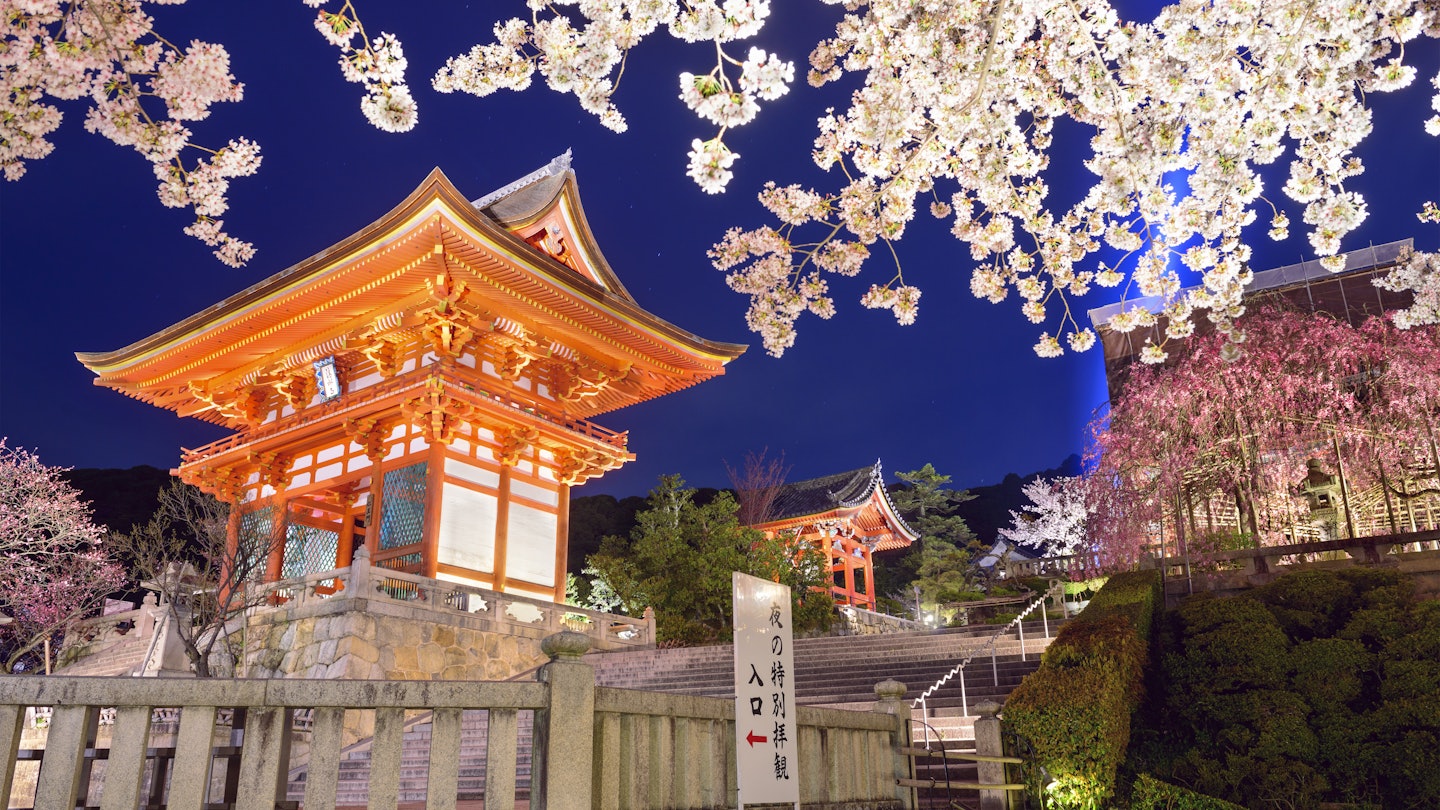
If Japan had a heart, Kyoto would be it. It’s the city where tradition wears its beauty openly, in gardens, lantern light, mossy temples, and the hush of a distant ritual. Kyoto is a living museum, but one you can reach out and touch — sip matcha under a blooming plum tree, follow a winding path through bamboo, pause at a shrine gate painted vermilion.
What to see & feel:
-
Fushimi Inari Taisha: Miles of red torii gates ripple uphill through forest — walk deep enough and you’ll leave the crowds behind. The torii form tunnels of shade and shifting light.
-
Kiyomizu‑dera: The wooden stage over the hillside gives one of Kyoto’s iconic vistas. Listen to the suspending boards creak as you lean out.
-
Gion & Higashiyama: Wander alleys of wooden‑front teahouses and lantern-lit streets. Late evening? You might glimpse a geisha passing between buildings.
-
Arashiyama / Bamboo Grove: Morning light filters through the stalks. Cross the river bridges; visit Tenryu-ji Temple and stroll Sagano’s scenic paths.
-
Kinkaku-ji & Ginkaku-ji: The Golden Pavilion shimmering in its pond, and the “Silver” (not literally silver) pavilion in quiet gardens — two sides of the same elegant coin.
Why it works:
Kyoto invites you to slow down. The city’s architecture, gardens, and temples don’t compete; they converse. The air seems more patient. Even the sidewalks feel narrower, forcing you to lean in, to see closer. As you sip matcha, smell cedar, and trace peeling wood beams, the sense of centuries folding around you becomes real.
Sip Matcha in Kyoto and more:
2. Osaka: Where Food, Fun, and Neon Collide
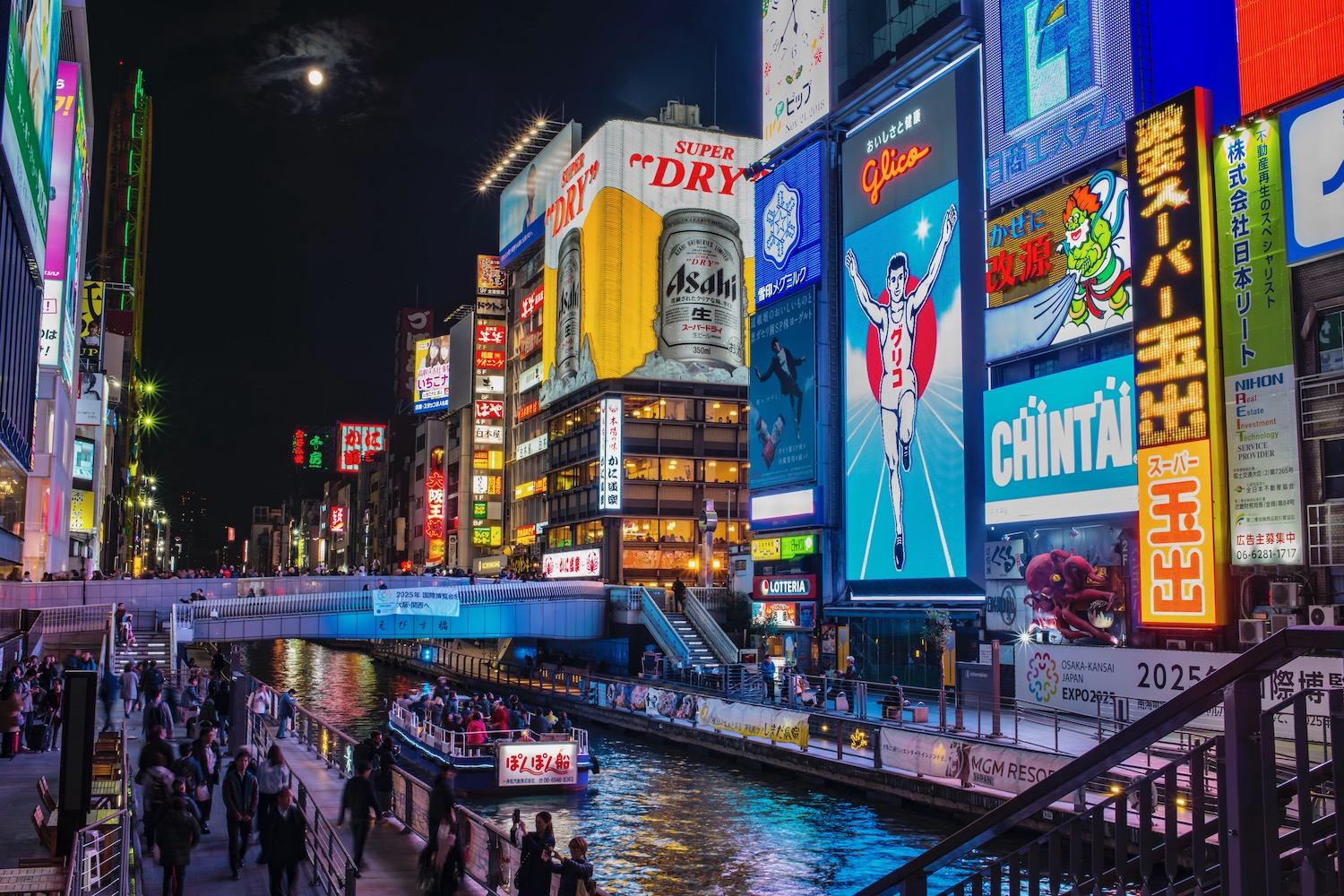
If Kyoto is Japan’s poet, Osaka is its laugh, its street‑wise energy, its appetite. It’s the city you come alive in. Here, “eat first, think later” feels like a life philosophy. Steam rises from takoyaki stalls, neon signs blink along canals, and laughter echoes from karaoke boxes.
What to see & feel:
-
Dōtonbori & Namba: The neon gauntlet — giant Glico sign, canal lights, storefronts loaded with seafood, okonomiyaki grills, street vendors. Wander without purpose.
-
Kuromon Market: Slurp fresh oysters, sample grilled scallops, try quirky regional snacks. It’s a paradise for food explorers.
-
Osaka Castle: Understood as history, but also a vantage point. Climb, look out, then relax in its surrounding gardens.
-
Umeda Sky Building / Floating Garden: A modern architectural marvel with sky‑bridge views. At dusk, the city below flickers like life in motion.
-
Neighborhoods & side streets: Tenjinbashi for local flavor, Shinsekai for retro vibes and kushikatsu, Hozenji Yokocho for nostalgic lantern alleys.
Why it works:
Osaka is unabashedly alive. It doesn’t hide behind heritage or solemnity. It shines with local pride through food, laughter, loudness, and light. It’s a place to taste your way in, to get messy, to talk with strangers over a plate of negiyaki or scallops. It’s human in the best possible, flavorful way.
Enjoy Food, Drinks and more in Osaka:
3. Hiroshima & Miyajima: Quiet Power, Remembrance, and Floating Torii
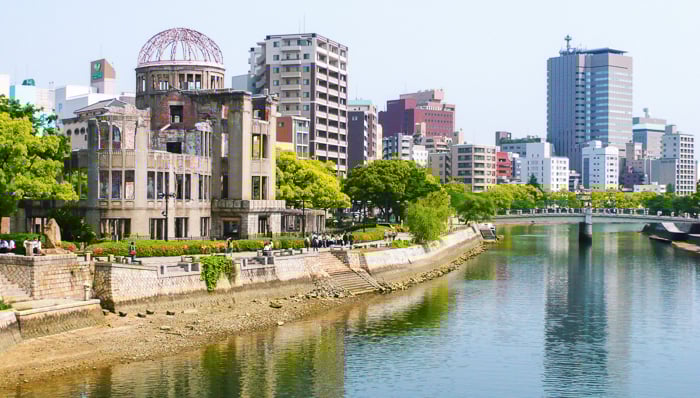
Hiroshima is more than a city that survived. It is a testament to resilience, remembrance, and moving forward. And then there’s Miyajima’s Itsukushima Shrine — a torii “floating” on the sea that feels like worship incarnate.
What to see & feel:
-
Hiroshima Peace Memorial Park / A-Bomb Dome: Walk paths lined with flame memorials and walls inscribed with names. The dome stands as a skeletal reminder of what was — and what commitment to peace became.
-
Hiroshima Peace Memorial Museum: Somber, honest, unflinching. You’ll leave changed.
-
Miyajima (Itsukushima Island): The red torii gate rising from water at high tide. Walk wooden boardwalks through sacred forest. Hike up Mt. Misen for views across the Inland Sea.
-
Momiji Manju & Local Eats: Savor Hiroshima’s style okonomiyaki (layered, not mixed) and sweet maple-leaf cakes.
Why it works:
This pair of destinations balances sorrow and beauty, memorial and pilgrimage. When the tide lifts the shrine and the shrine seems to float, it feels like spiritual metaphor in motion. And in the quiet power after grief, you sense humanity’s possibility for healing.
Discover the history of Hiroshima and Miyajima:
4. Sapporo: Winter, Festivals & Northern Light Spirit
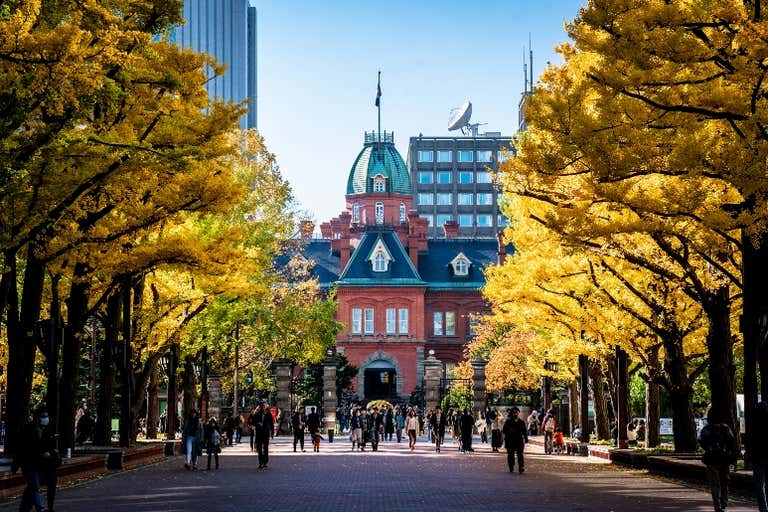
Up north on Japan’s biggest island, Sapporo feels like a city willing to breathe. Chill air, wide streets, nature just beyond the doorstep. In winter, it’s a wonderland. In summer, fields and festivals rival the heat in spirit.
What to see & feel:
-
Odori Park & Sapporo Snow Festival: In February, ice sculptures, massive snow works, local energy.
-
Sapporo Beer Museum & Beer Garden: Learn brewing history, drink fresh draft, pair with lamb (Genghis Khan style).
-
Mount Moiwa / Viewpoints: City lights stretched out below, hills rolling beyond.
-
Nijo Market: Brimming with fresh seafood, crab legs, sea urchin — eat while it’s still giddy with chill.
-
Surrounding nature: Furano’s lavender fields, Biei’s patchwork hills, hot springs in Noboribetsu — Sapporo gives you space and hush.
Why it works:
Sapporo is city framed by wilderness. It’s less rush, more breathing room. Winter gives exuberance; summer gives calm. Either way, you feel the room to stretch. If you want to hear silence, see stars, hike through ice, or taste drunken hops, Sapporo is your kind of place.
Explore Sapporo:
5. Kanazawa: Samurai, Tea Houses & Misty Coastlines
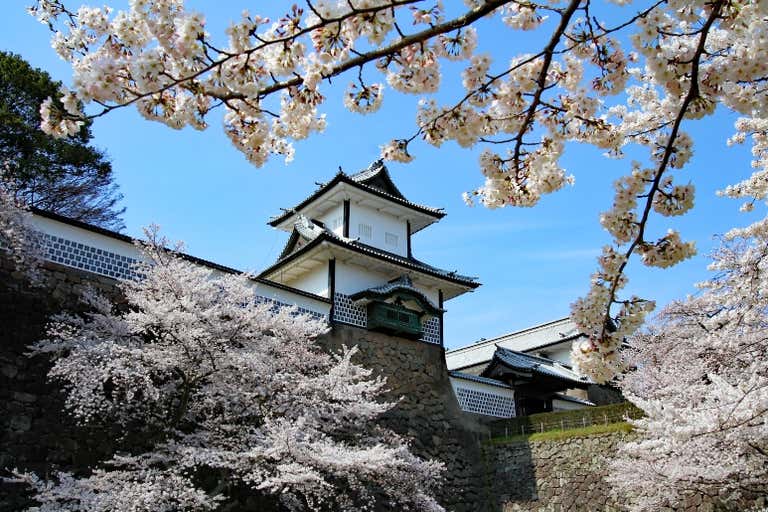
Kanazawa somehow holds perfect balance — Edo-era districts, D.T. Suzuki Zen Museum, coastline mists, traditional arts alive in shops. It’s refined, introspective, and just edgy enough to keep your eyes curious.
What to see & feel:
-
Kenrokuen Garden: One of Japan’s great gardens — pavilions, ponds, teahouse corners, moss, ponds reflecting sky.
-
Higashi Chaya / Nagamachi / Samurai Districts: Wooden teahouses, narrow alleys, geisha shadows at dusk.
-
21st Century Museum of Contemporary Art: Modern contrast amid tradition.
-
Nagamachi Samurai Houses: Step inside preserved samurai homes; imagine life guarded, measured, disciplined.
-
Coastline (Noto Peninsula nearby): Mists, cliffs, sea road drives — nature’s counterpoint.
Why it works:
Kanazawa’s charm lies in restraint. It doesn’t shout. It invites you to listen. The silent swirl of a garden pond, the echo in a historic home, the fog drifting off the sea — these are sensory whispers, not demands. For those who prefer quiet power and layered detail, Kanazawa lingers long after you leave.
Experience a day in Kanazawa and more:
6. Fukuoka: Kyushu Gateway, Food Culture & Coastal Vibes
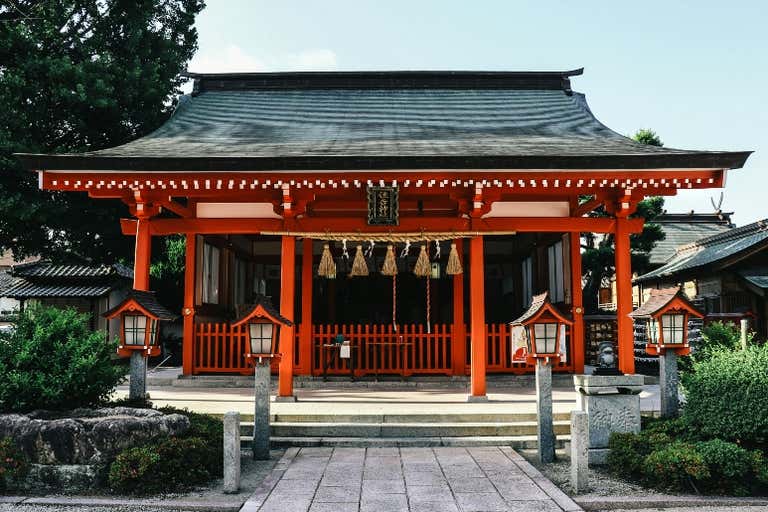
Fukuoka is a coastal city that flies under many travelers’ radars — maybe because it doesn’t feel like it needs to prove itself. But inside its streets, you find fresh seafood, ramen originality, festivals, and an openness that belies its size.
What to see & feel:
-
Hakata Ramen culture: Tonkotsu broth pulled from marrow, thick noodles, pork slices, distinct to Fukuoka.
-
Nakasu & Yatai street stalls: Riverside food carts, bold flavors under lanterns.
-
Ohori Park & Maizuru Castle ruins: Green space in the heart of the city, water reflections.
-
Canal City & shopping districts: Modern, magnetic, full of rhythm.
-
Day trips nearby: Dazaifu’s Tenmangu Shrine, hot springs on Kyushu, a drive across rolling hills and onsen towns.
Why it works:
Fukuoka doesn’t carry heavy history — but it carries life. It pulses with food, festivals, coastal breeze, and local pride. It’s vivid without being frenetic. Visit when your mind wants both sea mist and ramen steam. Leave thinking, “I want more time here.”
Eat your way around Fukuoka:
7. Nagano: Mountains, Hot Springs & Temple Peace
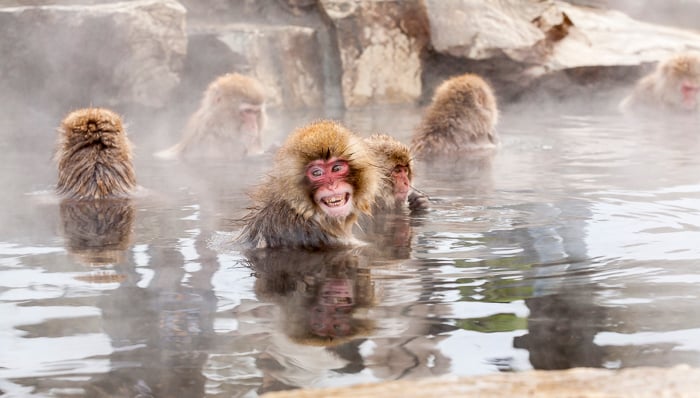
Nagano is often skipped for Tokyo or Kyoto, but that’s a mistake. Up in the mountains, Nagano gives you forests, snow, zen temple calm, hot springs, and a gentler rhythm. It’s Japan’s mountain retreat within reach.
What to see & feel:
-
Zenko-ji Temple: One of Japan’s oldest temples — walk its inner dark corridor and feel centuries under your feet.
-
Jigokudani Monkey Park: Snow monkeys bathing in onsen — nature’s oddest, cutest postcard.
-
Hot spring towns (onsen ryokan): Slow baths, tatami rooms, meals that unfold in courses.
-
Alps & hiking roads: Ride alpine ropeways, trail through green slopes, ride high passes.
Why it works:
Nagano feels like a deep inhale. The mountain air, the hot springs, the quiet in forest valleys — it takes your shoulders off your ears. It’s perfect when you want to balance city noise with nature hush. When you want to see snow monkeys soak, or watch steam rise from your bath as dusk settles, Nagano answers.
Explore Nagano’s famous hot springs:
8. Osaka–Kyoto–Nara Cluster & the Day Trip Trio
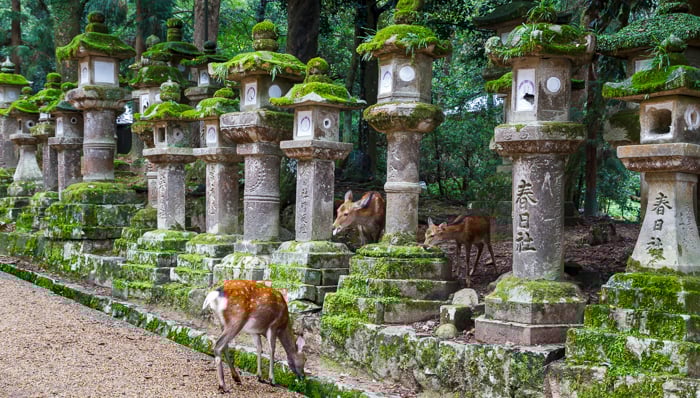
A bit of a cheat in the “city” list — but the region around Osaka, Kyoto, and Nara functions like a multi‑city experience you shouldn’t fragment. They support each other. You can stay in one hub and hop to the others easily.
What to do & feel:
-
Base yourself in Kyoto or Osaka, then make day trips to Nara. In Nara Park, deer wander near you, and Todaiji Temple houses giant Buddha. GetYourGuide
-
From Kyoto, reach Osaka for lively nights and street food.
-
Or bounce between cityscapes, gardens, temples, and food stalls without long movements.
Why it works:
This cluster gives contrast without friction. Kyoto’s calm, Nara’s deer magic, Osaka’s noise — all days apart but a train ride away. You feel breadth without packing and repacking too much.
Discover the Day Trip Trio:
9. Hakone / Mt. Fuji / Fuji Five Lakes: Nature & Peak Majesty
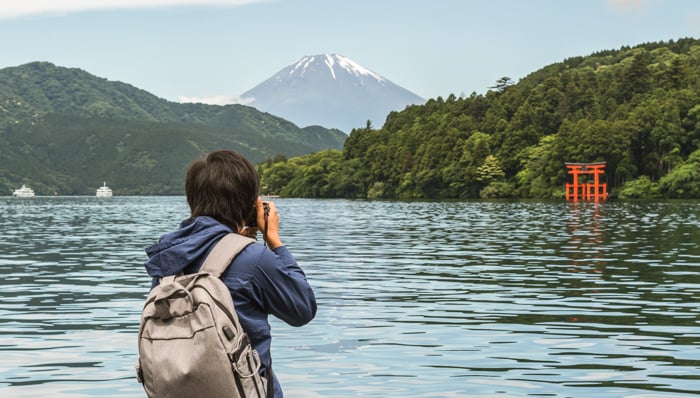
Though not always called a “city,” Hakone and the Fuji Five Lakes region orbit Japan’s mythical mountain in style. People come to see Mt. Fuji, but they stay for misty rides, lakes, hot springs, reflections, and forest walks.
What to see & feel:
-
Lake Ashi cruises & Hakone Ropeway: Steam, elevation, lakes reflecting peaks.
-
Mt. Fuji (5th Station climbing or viewing): The mountain myth itself, looming and transcendent.
-
Kachi Kachi Ropeway & Oishi Park: For panoramic views.
-
Onsen + ryokan stays: Sleep under Fuji views, ease into hot baths.
Why it works:
Visiting Fuji isn’t a side trip — it’s an emotional journey. You’ll feel small, awed, reflective. Fuji silhouettes at sunrise, clouds drifting across its slopes, forest mirrored in lake — it becomes a landscape you carry inside you.
Experience the beauty of Mt. Fuji:
10. Hokkaido Deserves a Journey of Its Own
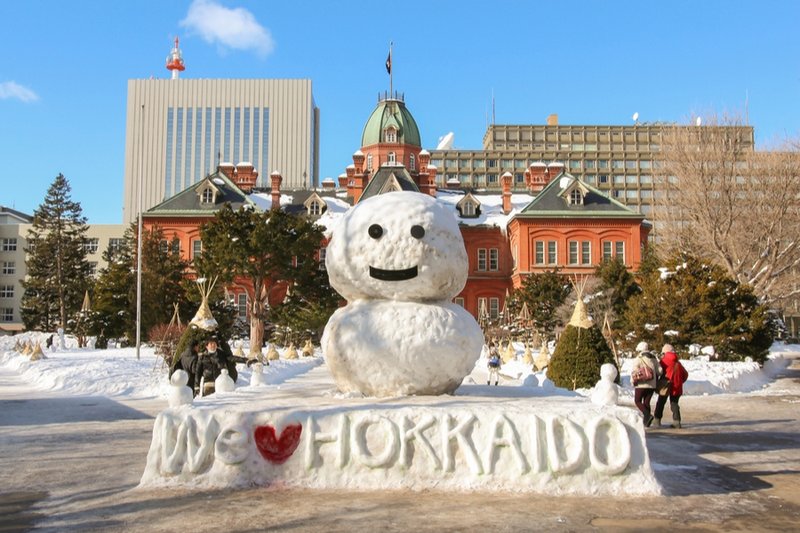
If you’re craving a side of Japan that feels wilder, wider, and more open — make your way north to Hokkaido. It’s Japan’s northernmost island, and while it’s technically part of the country’s map, it often feels like an entirely different world.
Here, the seasons are sharper. Winters are fierce but magical. Summers are green and breezy. Spring blooms late but dramatically, and autumn? Blazing hillsides and crisp air that smells like cedar and firewood.
Why it’s worth the trip:
-
Sapporo gives you city comforts with alpine views — home to the Sapporo Snow Festival, a beer museum in a red brick factory, wide parks, and a laid-back, friendly vibe that’s more relaxed than Tokyo’s rush.
-
Furano & Biei are where nature shows off — rolling patchwork flower fields in summer, particularly lavender in July, with distant mountain ridgelines creating picture-postcard scenery.
-
Hakodate, with its historic Western-style architecture and dramatic night views from Mt. Hakodate, adds a dose of seaside charm.
-
Shiretoko Peninsula (a UNESCO World Heritage site) is one of Japan’s last true wilderness frontiers — where you might spot bears, eagles, and steaming volcanic cliffs along a boat ride.
-
And let’s not forget the food — Hokkaido is heaven for seafood lovers. Think buttery uni (sea urchin), rich miso ramen, melt-in-your-mouth scallops, and crab that requires both hands and silence to fully appreciate.
Explore nature in Hokkaido:
Final Thoughts: Let the Cities Become Your Story
Japan’s cities are not stops on a map — they’re chapters. Some are loud (Osaka), some are quiet (Kanazawa), some are solemn (Hiroshima), some alive (Fukuoka), some glowing (Kyoto). But each city carries a voice waiting for your ears.
Visit Kyoto to feel time stretch. Go to Osaka to feel your pulse. Arrive in Hiroshima to remember fragility and strength. Climb slopes in Nagano to feel distance and silence. Sail in Hakone to see clouds drift across Fuji’s face. Wander in Kanazawa to soak in subtlety.
Let your trip not just be “seen places” but “lived chapters.” Let your lips taste city smells, your ears hear temple bells, and your feet walk in silence and neon. Afterward, you won’t just have photos and videos — you’ll carry unforgettable memories of these cities with you forever. Itterasshai! (Have a safe trip!)
