Winter — with its long nights, chilly air, and quiet landscapes — invites a certain kind of magic. For many cultures around the world, this season becomes a canvas for rituals of light, community, myth, and celebration. From flickering candles to roaring bonfires, snowy processions to solstice rituals, winter reminds us that even when days are short, human creativity and warmth can shine brightest.
In this journey, we travel across continents and centuries — exploring ten remarkable winter celebrations that reflect humanity’s enduring desire for connection, hope, and wonder. Whether you imagine standing in a torchlit street in Scotland, lighting a candle in a Swedish village, or breathing in crisp air among towering snow sculptures in Canada, each tradition offers a window into history, culture, and the universal longing for light and belonging during the coldest months.
Read on, and perhaps you’ll be inspired not only to travel — but to carry a little of this magic into your own winter.
1. Sinterklaas — Netherlands
Picture a crisp November evening along a canal-lined Dutch harbor: narrow boats bob gently, lantern light reflecting off calm water. The air carries hushed excitement, and anticipation crackles.
Then — from the mist — a steamboat emerges, its deck adorned with red-cloaked figures, its horns sounding a gentle call. Onboard: a tall, dignified man in bishop’s robes, mitre perched on head, clutching a staff. This is Sinterklaas — returning, as tradition says, from Spain to announce the start of the season.
Every year, typically in mid-November (the first Saturday after November 11), Sinterklaas “arrives” in a Dutch port. The arrival rotates cities from year to year, and thousands gather at docks to welcome him.
The festival continues until the evening of December 5 — Pakjesavond — when families gather to exchange gifts, poems, and treats.
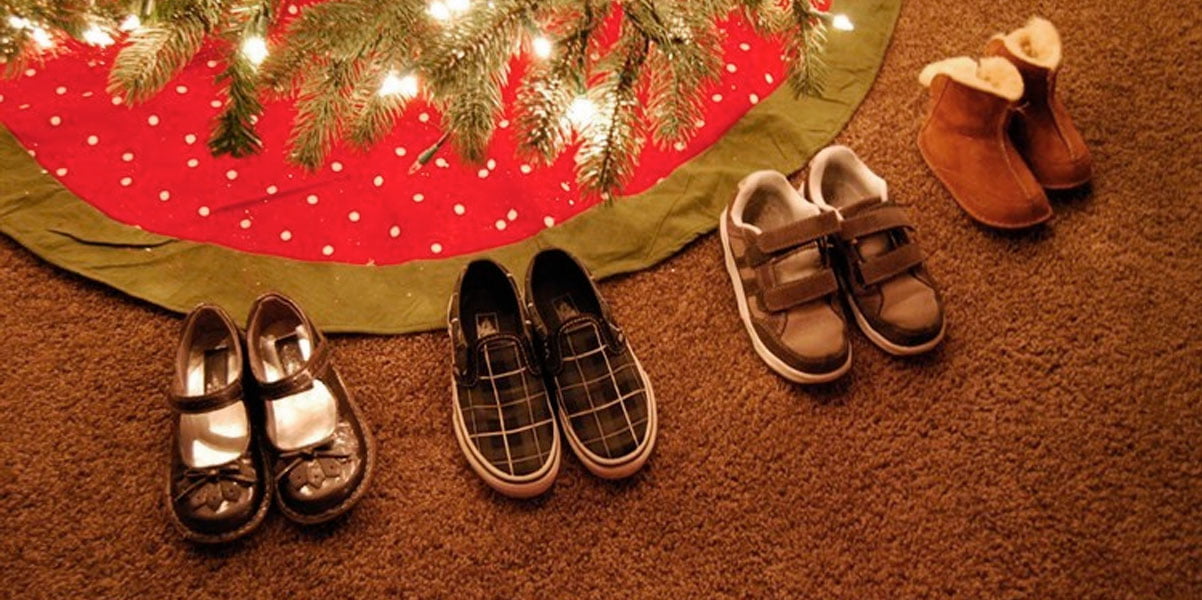
The days leading up to Pakjesavond carry their own warm, playful magic. Many children set out small shoes near the hearth, fireplace, or windowsill, often accompanied by a carrot or hay for Sinterklaas’s white horse. Overnight, perhaps some tiny gifts, chocolate letters, or spiced cookies — known as pepernoten — appear.
Imagine yourself watching the parade through narrow cobbled streets: horse hooves clip‑clopping against bricks; Sinterklaas waves at cheering children; helpers toss handfuls of cookies into the air, and young faces light up as sweets land at their feet. The scent of speculaas spices drifts through the air. Families speak softly in Dutch songs, laughter echoing off old canal houses painted in gold light.
Then comes Pakjesavond: rooms glow with warm lamplight, wrapped packages pass from hand to hand, poems — humorous, teasing, tender — are read aloud. It’s intimate. It’s cozy. It’s magical. And perhaps because Sinterklaas is also a root of the “Santa Claus” myth, there’s a sense of shared history — of age‑old belief blending with modern festivity.
For travelers, joining Sinterklaas means more than observing a parade — it’s stepping into childhood wonder, regardless of age. It’s a moment to connect with centuries-old folklore, community spirit, and a culture that treasures anticipation and surprise as much as the gift itself.
Explore winter festivities in the Netherlands:
2. Diwali — India

Across a continent vibrant with languages, religions, and histories, one festival unites people in luminous celebration: Diwali — the Festival of Lights. Celebrated in October or November (depending on the lunar calendar), Diwali signifies the victory of light over darkness, hope over despair, knowledge over ignorance.
Picture a narrow street in an old Indian city just before nightfall. The air is warm and tinged with incense. As dusk deepens, the first oil lamps (diyas) quietly flicker to life on windowsills, doorsteps, rooftops. Soon hundreds become thousands — each lamp a tiny beacon. Woven between the soft hum of conversation, the scent of jasmine and marigold, and the rising thrill of festivity.
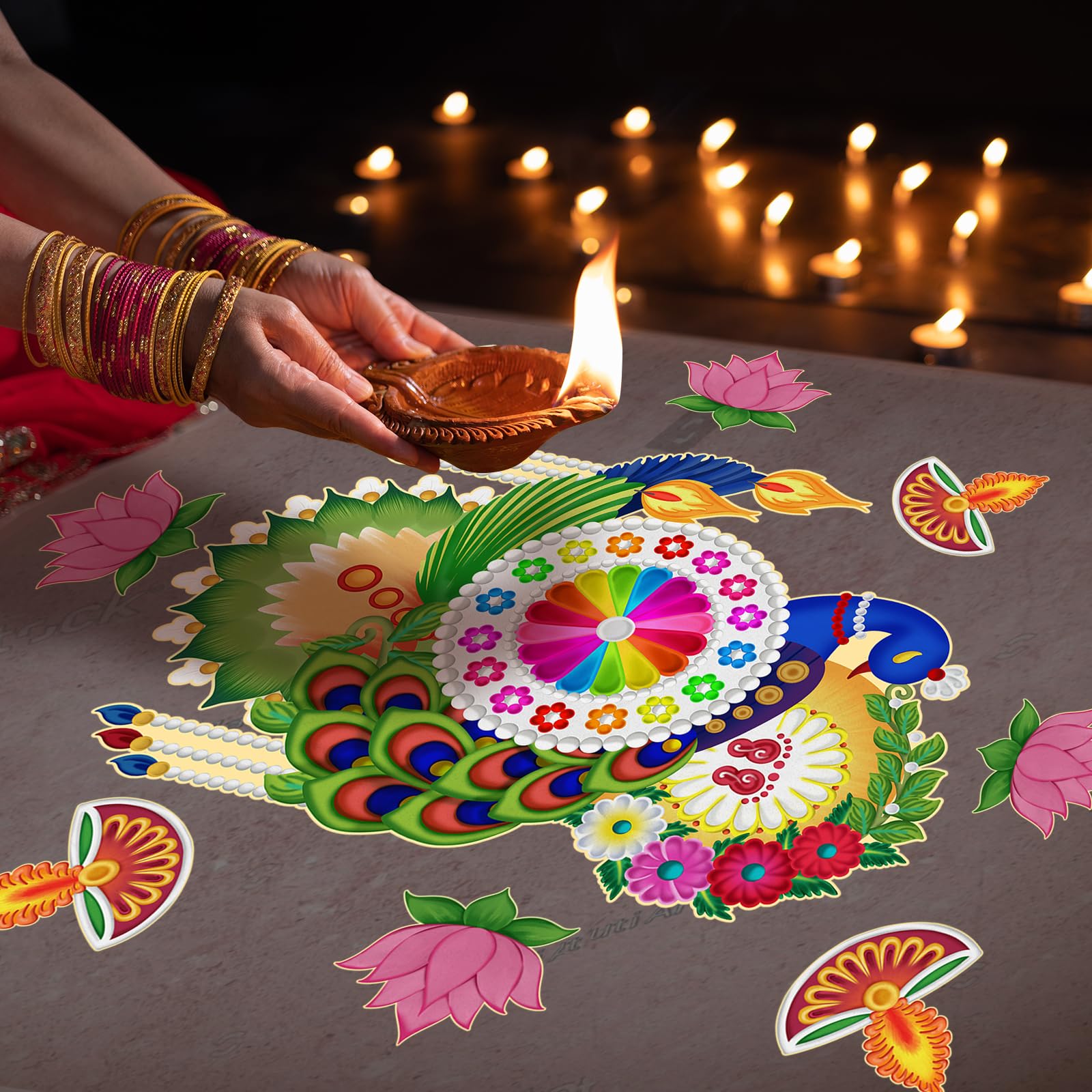
Inside homes, families sweep floors, scrub away dust, and decorate thresholds with vivid rangoli — ornate patterns of colored powders or flower petals. Once night falls, they light the lamps, set out sweets and snacks, and gather for prayers to honor gods or simply to give thanks. Children giggle, elders smile, and bears of new clothes and gifts slip into bags of joy.
On the most luminous night, the sky bursts open: fireworks crackle and paint silhouettes of ancient temples, high‑rises, and crowded alleys in fiery blossoms. Markets flood with shoppers, lanterns swing overhead, and the buzz of celebration ripples through towns from Delhi to Mumbai to Jaipur and beyond.
Beyond the spectacle, Diwali carries deep symbolism. Light pushing back darkness isn’t just physical — it’s spiritual. Renewal, hope, gratitude, unity. For a few magical nights, India transforms — reminding everyone that even the darkest times can be overcome with warmth, kindness, and faith.
For a traveler, Diwali offers a visceral, joyful immersion — a chance to witness communities bound by tradition, to feel the pulse of shared celebration, to taste sweets under a sky bursting with light. And perhaps, even if thousands of miles away, to carry a lamp of hope and renewal inside yourself.
Experience the best light tours in India:
3. Three Kings’ Day — Spain

The holiday season doesn’t end when Christmas trees come down or New Year fireworks fade — in parts of the Spanish‑speaking world, it crescendos on Three Kings’ Day (El Día de los Reyes Magos), celebrated January 6. It marks the day when the Magi — wise travelers from afar — followed a star to offer gifts to the infant Jesus, bringing gold, frankincense, and myrrh.
Imagine a chilly winter evening in a Spanish town. Streets sparkle with lights, parades begin to wind their way through plazas. On magnificently decorated floats ride three regal figures — the Kings — their robes flowing, crowns glinting. Children press against barriers, eyes wide. When the floats pass, helpers toss sweets and small toys into the crowd; children reach, arms outstretched, laughs catching in cold air.
At home, traditions continue in quiet anticipation. On the night before Three Kings’ Day, children polish their shoes and set them by the door or window — a hopeful gesture, awaiting gifts.
In the morning, perhaps a small toy, a book, or candy glitters under street light.
Families gather around tables for a special sweet bread — perhaps a “rosca” or other regional pastry — sometimes with a small doll hidden inside. Whoever finds the doll might play the king for a day, or host a future gathering. It’s playful. It’s communal. It’s full of warmth.
For travelers, January in Spain becomes unexpectedly festive. The weather tends to be milder than northern Europe, the crowds fewer, the streets charming under winter light. Experiencing Three Kings’ Day feels like stepping into a living story — one of history, faith, generosity, and simple joy.
Discover Winter magic in Spain:
4. Québec Winter Carnival — Canada
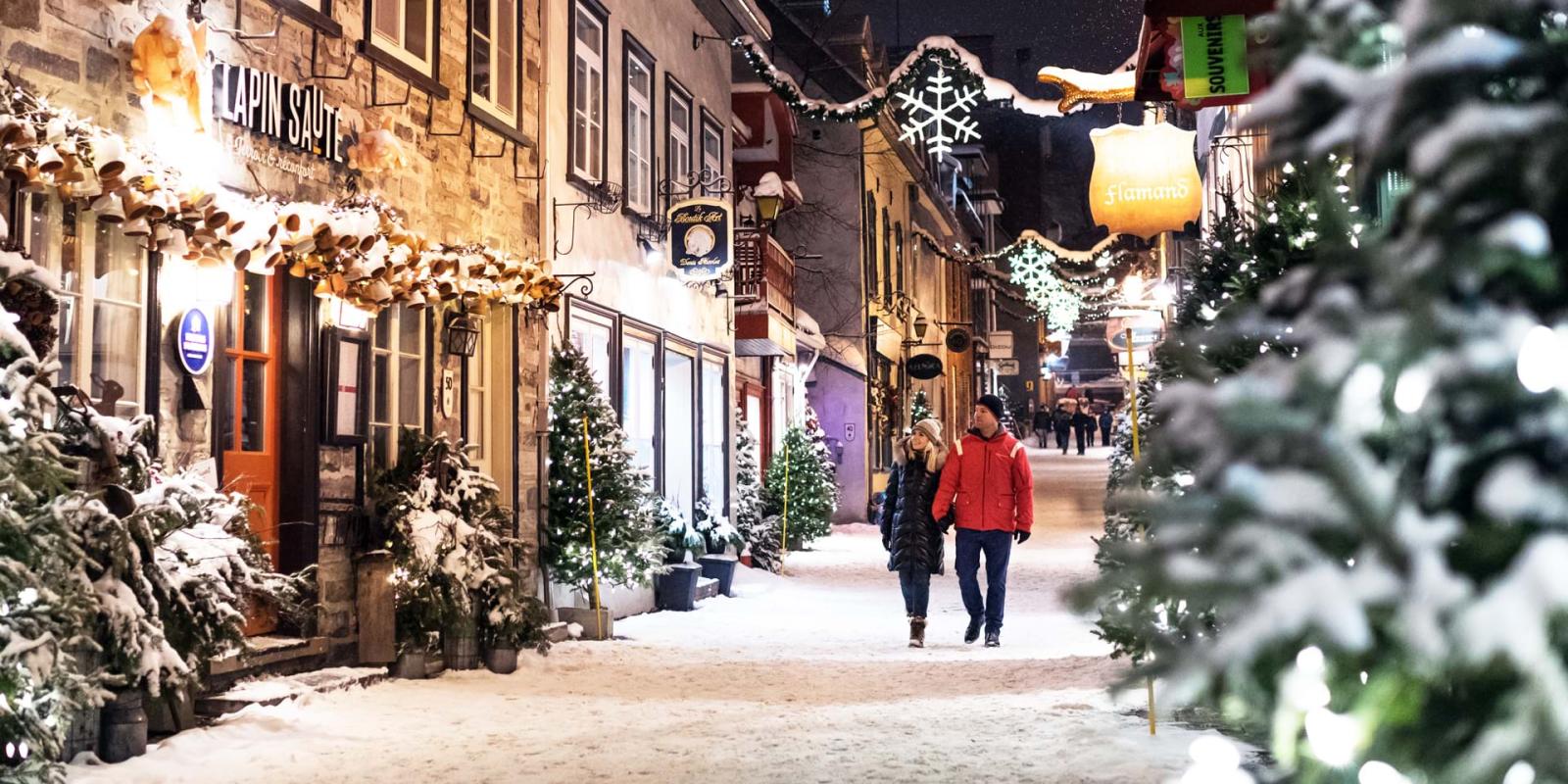
When winter in much of the world signals retreat indoors, in one charming corner of Canada, it signals the opposite: Quebec Winter Carnival — a dazzling celebration that embraces snow, ice, and chilly winds with laughter, heat, and human warmth. Held every February in the old‑world lanes of Québec City, it transforms frost and cold into joy, color, and festive energy.
Picture dawn breaking over pastel buildings with sloping roofs dusted in snow. Steam drifts in the cold air. Residents and visitors alike bustle — pulling on thick coats, boots crunching on fresh snow, scarves tugged tight. Laughter echoes down narrow cobbled alleys as children race to slides carved from snow, couples stroll beneath strings of lights, and families assemble before an ice palace glimmering under grey skies.
At the heart of the Carnival is Bonhomme Carnaval — a towering, smiling snowman wearing a red cap and sash. He greets visitors with open arms, playful waves, and the promise of fun.
Nearby, snow and ice‑sculpture competitions animate the city’s public squares — luminous artistry carved from frozen water, reflecting lantern-glows and friendly gasps.
As evening settles, the city becomes a glowing winter village. Lanterns catch on drifting snowflakes. People gather for ice‑canoe races across frozen rivers, children zip down snowy slides, couples slip into cozy cafés for warm drinks, and friends toast around open‑air fire pits. It’s a carnival where cold isn’t just endured — it’s celebrated.
For a traveler used to avoiding winter, Québec’s carnival reimagines it as playground. Snow becomes a canvas. Ice becomes art. The cold becomes part of the shared laughter. It’s about community. It’s about embracing what many shy away from — winter — and turning it into something vivid, alive, and
unforgettable.
Find fun Winter activities in Quebec City:
5. Krampuslauf — Austria

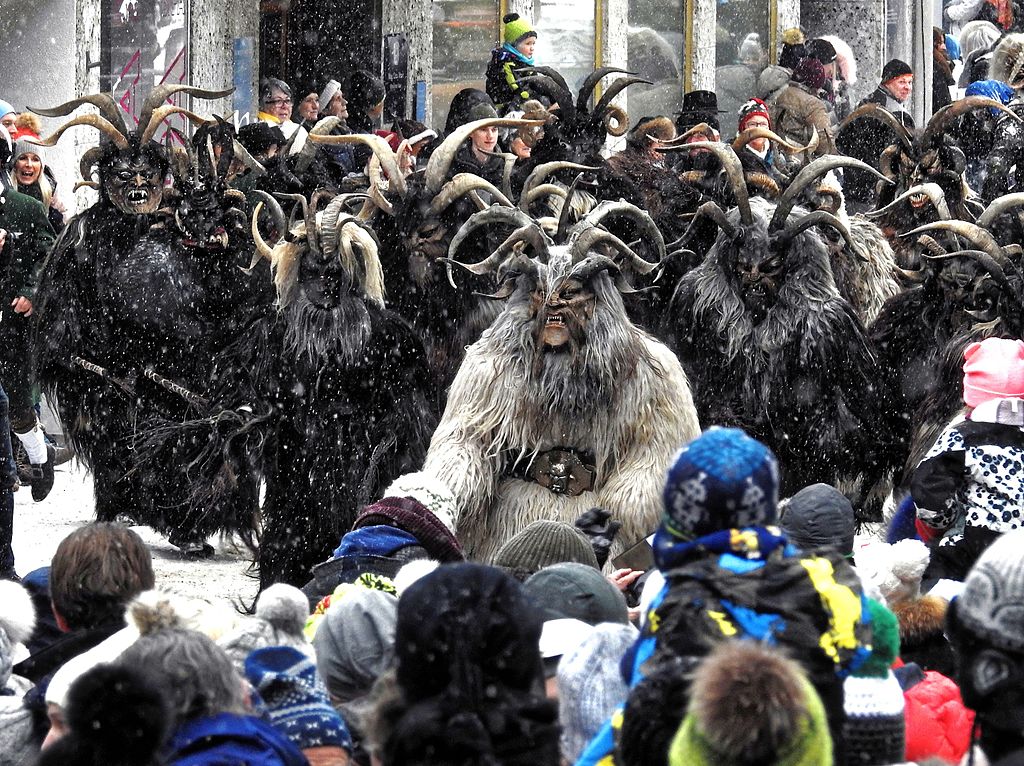
Not all winter magic is soft glow and gentle warmth. In the Alpine villages of Austria and parts of Central Europe, winter can bring a darker kind of thrill: Krampuslauf — the Krampus Run. This is folklore unbridled: horned creatures, clanging bells, and ancient fear converging under cold winter skies.
Legend tells of Krampus — half-goat, half-demon — a figure meant to contrast the generosity of saints like Saint Nicholas, punishing misbehavior instead of rewarding it. In Alpine tradition, he’s more than a myth; he’s a living, breathing emblem of seasonal dread, caution, and ancient belief.
On a cold December night, imagine a mountain village under starlight, narrow streets shrouded in mist, the scent of pine and winter chill in the air. Then — the distant sound of bells. First soft, then louder. A torchlight flickers, then another. From darkness emerge shadowy figures: tall, horned, cloaked in hide, moving with purpose. Bells clang violently; their breath billows smoke in cold air. The Krampuses march; the crowd gasps.
This isn’t a parade for children — at least, not as we know. It’s ritual. It’s folklore. It’s ancestral memory wrapped in torch smoke. Some slip away into the night; others stand transfixed. For a visitor, it’s an edge‑of‑seat experience: unsettling, strange, distant, and yet deeply human.
But behind the frights is meaning: a kind of moral folklore, a ritualic reminder that winter, like life, carries both light and shadow, kindness and consequence. In that cold hush — torches sputtering, bells echoing — you feel connected to something much older than yourself.
For travelers seeking authenticity — not sanitized tour‑bus festivals but raw rites rooted in centuries of Alpine life — Krampuslauf offers a journey beyond comfort. A journey into myth. Into cold, into darkness — and into understanding.
6. St. Lucia’s Day — Sweden

On a short December evening in Sweden, just as dusk begins to swallow the sky, the warmth of candlelight begins to stir hope. It’s the night of Saint Lucia’s Day — a festival of lights celebrated every December 13, rooted in legend, light, and quiet compassion.
According to tradition, Lucia of Syracuse was a 4th-century martyr who, in times of persecution, brought food and aid to Christians hiding in catacombs — lighting her way with a wreath of candles on her head so her hands remained free. Her name, derived from “light,” became a powerful symbol for hope during winter’s darkest nights.
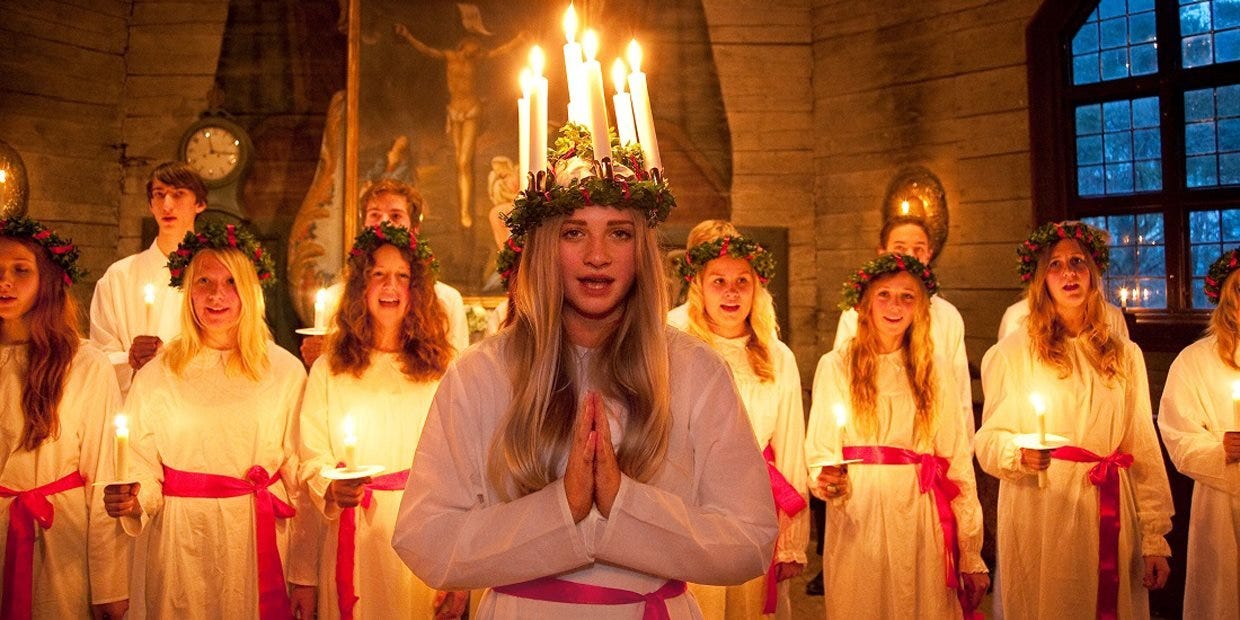
In modern observance, the eldest daughter in a family or a chosen girl will dress in white, cinch a red sash around her waist, and crown her head with a wreath of candles (often now battery-lit for safety). She leads a quiet procession of other girls in white, boys with star hats or holding candles, soft voices singing traditional Lucia songs. Houses and community centers fill with soft glow, gentle music, and calm reverence.
Imagine waking on a December morning to find the house lit by dozens of little candles. The air smells faintly of saffron and spice as families serve warm saffron buns (lussekatter), ginger cookies, and hot drinks. Windows are frosted outside; inside, soft singing floats around. It’s peaceful. It’s tender. It’s necessary.
In a world racing toward dazzling spectacles — loud fireworks, flashy parades — St. Lucia’s Day offers contrast. It invites stillness, introspection, connection. It reminds us that in long, dark winters, light is more than decoration — it’s solace. A simple ritual, a gentle song, a candle lit before dawn — enough to kindle hope.
For a traveler, witnessing a Swedish Lucia procession means standing inside living warmth: not in grand cathedrals or bustling streets, but in humble homes, small churches, quiet school halls. It’s a moment of calm, shared humanity, and the reminder that sometimes the softest lights shine the brightest.
7. Winter Solstice at Newgrange — Ireland

In a quiet stretch of countryside in Ireland stands a monument more than five millennia old: Newgrange — a passage tomb constructed around 3200 BCE. Each year around the winter solstice, its ancient stones catch the returning light — a reminder that long before modern calendars, humans watched the sky, welcomed change, and built monuments to hope.
On a crisp December morning — frost glittering on fields, bare trees outlined against pale dawn — small groups gather near Newgrange before sunrise. The air is cold, silent, expecting. As the sun rises, a narrow shaft of light slips through the tomb’s entrance, travels down a dark corridor, and for a brief 17 minutes illuminates the inner chamber. People hold their breath. Some eyes close. Some reach out a hand.
Standing there, amid thick stone walls and millennia-old history, you feel time stretch. Imagine the generations that came before — people who built this monument to mark the turning of seasons, to honor earth and sky, to remember that even the darkest night gives way to light.
There is no music, no fireworks, no crowds — only quiet awe, the whisper of wind, the soft exhale of breath, and the kindling of light in dark stone. If winter brings stillness, this is the stillness that resonates.
For a traveler, witnessing the solstice at Newgrange isn’t about celebration in the modern sense — it’s about connection. Connection to ancestors long gone. To earth and sky. To cycles older than memory. It’s a reminder that winter, at its heart, is about waiting — for light, for renewal, for hope.
8. Hogmanay — Scotland
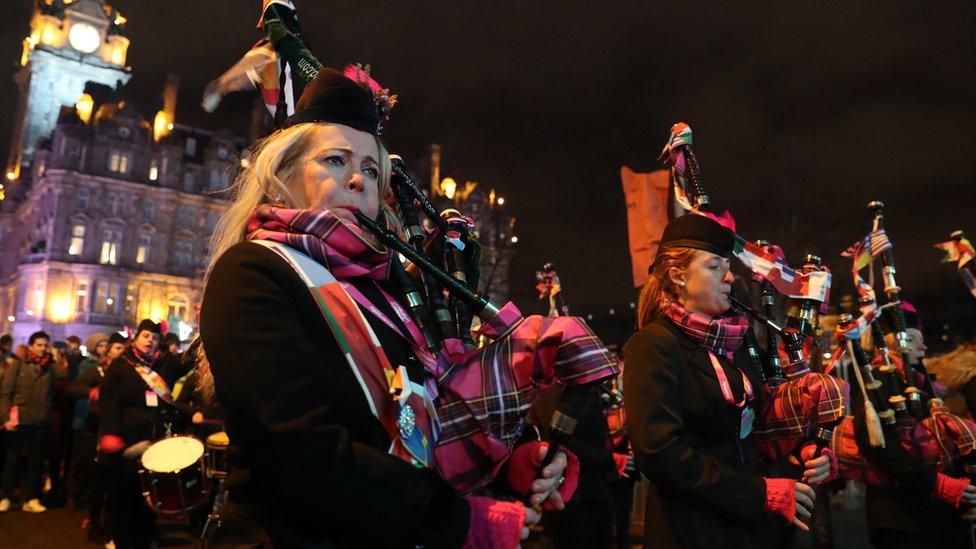
As December draws to a close and the year readies to turn, Scotland bursts into fire and festivity with Hogmanay — a New Year’s celebration both ancient and alive, blending torchlit processions, traditional songs, bonfires, and communal revelry.
In a city like Edinburgh, winter night drapes the old streets in shadow. Stone buildings, narrow alleys, and ancient ramparts hold memory. But on Hogmanay, torchlight flickers everywhere, a warm glow dancing in the cold air. Drums and bagpipes begin, feet pound cobblestones, laughter rises. The night crackles with energy.
In some parts of Scotland, the traditions turn intense. Picture a coastal town under winter sky — torches lit, figures swinging fiery balls on chains overhead, sparks flying, heat flaring on cold cheeks.
The ritual — dramatic, raw, ancient — feels like chasing away the old year with fire, pain and joy intertwined.
As midnight approaches, crowds gather, share warmth, clasp hands, sing traditional songs — including Auld Lang Syne — voices strong in cold air, hearts full of hope. Fireworks erupt, towers of flame rise, and the new year is born not with quiet introspection but roaring celebration.
For travelers seeking something more than champagne and confetti — craving something ancient, elemental, communal — Hogmanay offers fire, spirit, music, and the sense that you are not just watching a tradition, you are part of it. To join Hogmanay is to end winter with a roar, to welcome light, warmth, and human connection amid cold stone and clear night sky.
9. Las Posadas — Mexico

In towns and neighborhoods across Mexico, the nights of mid‑December come alive with song, procession, faith, and community in the tradition of Las Posadas — a nine‑night pilgrimage of light and hospitality leading up to Christmas.
From December 16 to December 24, families and neighbors gather after sundown. Lanterns and candles in hand, they wind through narrow streets, singing carols, walking house to house, reenacting the journey of Mary and Joseph as they sought shelter before the birth of Jesus.
At each home — new for every night — the group knocks on the door. Voices, half‑singing, half‑pleading, ask for lodging; the “innkeeper” inside replies with refusal — then after melody and persistence, opens the door. The community enters, warmth meets cold, and the night transforms.
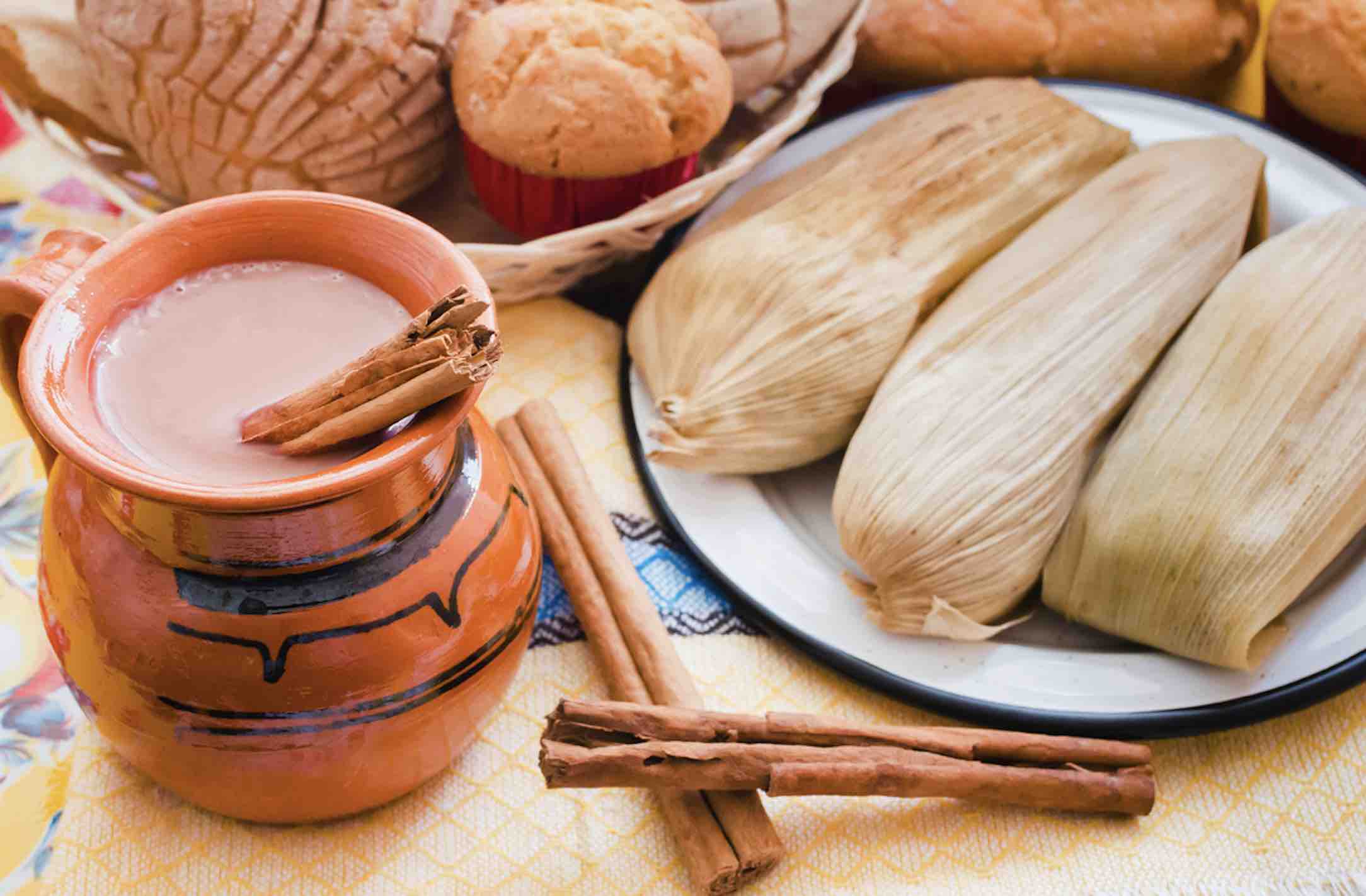
Once inside: laughter, food, music, and light. Families share tamales, atole (a warm corn-based drink), maybe break a piñata hung from a low beam — candy and treats raining down under cheers and candlelight. Children scramble, adults smile, shadows flicker on walls, and the world feels small, intimate, connected.
For a traveler, Las Posadas isn’t a spectacle from afar — it’s a living community ritual, inclusive, heartfelt, humble. It’s a time when strangers become neighbors. When candles and songs build bridges between cultures and homes. When winter’s dark nights find purpose in kindness, hospitality, and shared tradition.
10. Tōji — Japan

In Japan, winter brings a subtle, gentle kind of celebration — not loud parades or roaring bonfires, but quiet reflection, warmth, and the comforting ritual of Tōji — the winter solstice tradition that welcomes the gradual return of longer days.
As the skies turn shorter and chill settles into the air, Japanese families prepare for Tōji by bringing bright citrus fruits — yuzu — into their homes and baths. On the solstice night, they draw a warm bath, drop a few yuzu in, and soak. The citrus scent mingles with steam, warming skin and spirit. Outside, the world may be grey and cold; inside, warmth and scent transform the space.
After the bath, some light lamps or simple candles; others enjoy warm seasonal dishes, share conversation, laugh softly. The pace slows. The world seems gentler. There is no spectacle, no crowd — just a family, quiet reflection, soft light, and a sense of renewal.
In Tōji lies a deep beauty: the recognition that even the darkest day carries within it the promise of return. That sometimes the greatest warmth is not from fireworks, but from citrus steam rising in a quiet bath. That even in solitude, tradition can bring comfort, rhythm, and hope.
For travelers, Tōji offers a peaceful alternative to the holiday rush — a chance to slow down, to breathe, to reflect. To honor winter not as hardship, but as a pause. A reminder that light returns. That warmth persists. That life continues with calm beauty.
Which Winter Wonderland is for Right for You?
From candle‑lit processions to torchlight parades, from ice palaces to citrus-steamed baths — the world’s winter celebrations reflect the many ways humans defend against the cold. Each tradition, whether ancient or modern, loud or quiet, reveals something universal: during the coldest, darkest months, our hearts seek warmth, our spirits reach for light, and our souls long for connection.
Traveling to witness one of these celebrations — or simply reading about them — can remind you of that shared longing. It’s an invitation. To step into someone else’s story. To stand under foreign skies, hear unfamiliar songs, feel unfamiliar warmth. Maybe come away with a lighter step, a warmer heart, or a new tradition of your own. Safe travels!




:max_bytes(150000):strip_icc()/Hogmanay_1500-57c72eb13df78c71b60d950f.jpg)

