

Let us tell you something: some places aren’t just “nice to see” — they’re landmarks that touch your very soul. The kind of spots that make you stop, stare, and realize just how small you are in time and space. The New 7 Wonders of the World are exactly those kinds of places. Chosen in a global vote, from over 200 monuments, each of these seven holds stories, artistry, and sheer scale that must be experienced to be believed. If you’re planning bucket‑list dreams, these are the ones you don’t want to skip.
Here’s everything you need to know — how to see them, what to look for, and why they matter — to make those visits unforgettable! 
1. Great Wall of China, China
What it is:
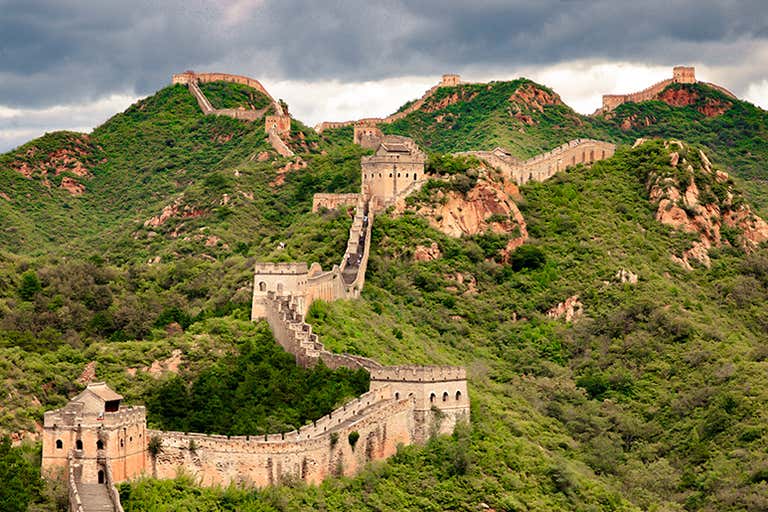
Stretching more than 13,000 miles, the Great Wall is not one continuous line but a collection of fortifications and walls built over centuries across China’s northern frontier. Some sections are over 2,300 years old. It’s colossal in scale, profound in meaning — a symbol of defense, ambition, and the desire to protect civilization.
Why it gives you chills:
Standing on a watchtower, looking out over rolling green hills or bare ridges — depending on the stretch — you’ll see more than just bricks and stones. You’ll feel the labor of generations, the strategic mind of ancient rulers, and the massive physical effort it took to carve so much into the land. Sunrise or sunset, the light softens the lines, makes shadows curl between stones, and brings the Wall alive.
Best times to go:
Spring (March‑May) or fall (September‑November) are golden: cool enough for hiking, fields and forests in bloom or changing color, fewer crowds. If you can swing going during the week, even better. Weekends especially at places like Badaling or Mutianyu can feel like instant lines for hours.
Top highlights:
Hiking along sections like Jiankou or Jinshanling, where the Wall is rugged, dramatic, less restored. Wild views, steep climbs.
Exploring Mutianyu: restored, easier walks, cable car or toboggan options down.
Climbing up watchtowers to look out over valleys you didn’t even know existed.
Seeing sunset (or sunrise) from Sintanlai or other points where the sky glows and the Wall casts long shadows across the hills.
Discover the Great Wall of China:
2. Petra, Jordan

What it is:
Carved into pink sandstone cliffs, hidden in desert canyons, Petra was once the capital of the Nabataeans. Think ancient tombs, temples, intricate facades, and caves — carved and sculpted into the rock itself. Over time, Romans arrived, then Byzantines, then centuries passed — but Petra remains, half‑buried, striking, as if paused in mid‑story.
Why it moves you:
You walk through something called the Siq first — a narrow gorge, walls closing in, and then, without warning, the Treasure (“Al‑Khazneh”) appears: a massive, ornate façade fronting the slot canyon, glowing in stone tones of dusty pink and gold. It feels cinematic, mythic. And that’s just the start. Deeper into the site are tombs, amphitheaters carved into cliffs, the Monastery up steep steps, views over desert and hills that stretch forever.
Best times to go:
Spring (March‑May) and fall again are your friends — cooler weather, fewer people. Morning or late afternoon for light that enhances the colors in the rock. Midday tends to flatten things out and fry you with heat.
Top highlights:
Walking through the Siq and catching your first glimpse of the Treasury.
Climbing the roughly 800 steps (yes, you can do this) to the Monastery (Al‑Deir) for sweeping panoramic views.
Exploring the Royal Tombs, the high place of sacrifice — places less visited, quieter, with secret corners.
Watching the light shift across the cliffs as the sun goes down — the pinks deepen, the shadows stretch, the canyon hushes.
Discover Petra:
3. Christ the Redeemer, Brazil

What it is:
Towering above Rio de Janeiro on Corcovado Mountain, Christ the Redeemer is an Art Deco statue of Jesus with outstretched arms, a symbol of welcome and faith. The statue itself is about 98 feet tall, plus its pedestal, and offers one of the most famous views in the world — Rio, mountains, sea, city merging.
Why it inspires:
Because the view is everything. You get the curves of Rio’s bays, you see Sugarloaf Mountain across the water, the beach arcs, the green hills — every angle is postcard perfection. And being up there, breathing in wind off the Atlantic, you feel like you can take the whole city in. Also, there’s something peaceful in the embrace‑like position of the statue — it makes you pause more than you expect.
Best times to go:
Early morning to catch sunrise or just after, when crowds are smaller and the light is soft. Late afternoon gives golden glow, but the rush tends to get heavier. Rain and clouds sometimes shroud the view — check weather, plan for visibility.
Top highlights:
Riding the train up Corcovado — lush forest, fresh air, anticipation building.
Getting there close to dawn for mist and soft light.
Taking a helicopter ride for a bird’s‑eye view (if you can swing it).
Watching the city light up as you return or descend, especially around dusk.
Discover Christ the Redeemer:
4. Machu Picchu, Peru
What it is:
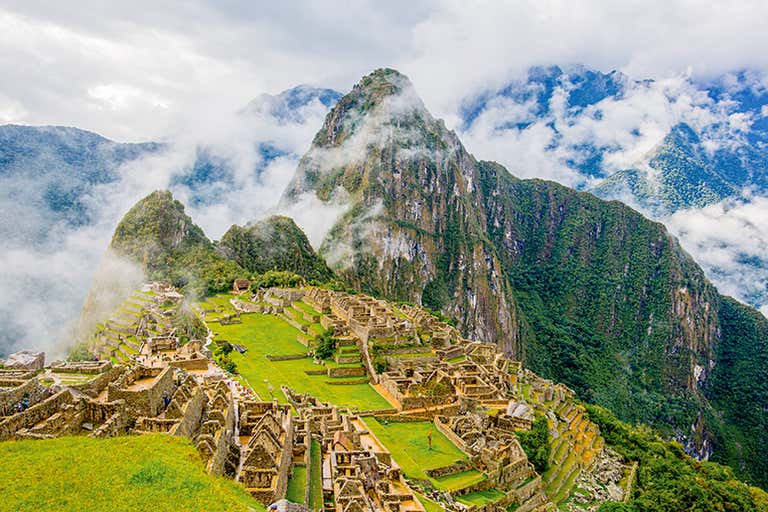
High up in the Andes (around 8,000 ft elevation), perched among clouds, terraces, and steep slopes, lies the ancient Incan city of Machu Picchu. It was lost for centuries, rediscovered in the early 20th century, and remains one of the greatest archaeological treasures in the world.
Why it’s magical:
There’s so much mystery. The way the stones are placed, the terraces cascading down slopes, the way fog can roll in and out, the sound of birds, the steep drops and the dizzying height. Hiking the Inca Trail, entering through the Sun Gate, and seeing Machu Picchu laid out in front of you — it can hit like a revelation. It’s equally impressive architecturally and spiritually.
Best times to go:
Dry season (June‑August) has the clearest skies. Shoulder seasons (April‑May, September‑October) give you fewer crowds and still decent weather. Rainy season (November‑March) brings more mist, more risk of slippery trails, but also dramatic cloud cover and atmosphere.
Top highlights:
Hiking the Inca Trail, if you have time, to see the sunrise over Machu Picchu through the Sun Gate.
Exploring the site: the Temple of the Sun, the Sacred Plaza, Intihuatana (sun dial stone).
Riding the scenic train from Cusco or Ollantaytambo — views, green valleys, rivers.
Arriving early or staying late in the day to avoid busier parts, let the place breathe around you.
Discover Machu Picchu:
5. Chichén Itzá, Mexico
What it is:
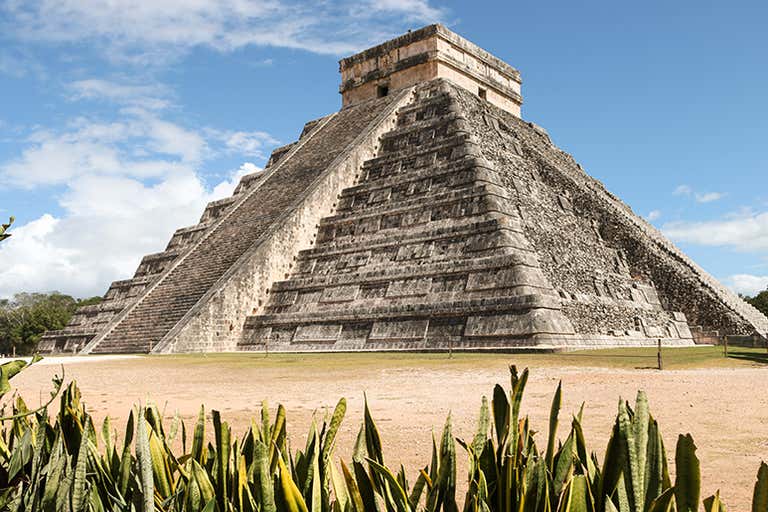
Built by the Maya people during the Terminal Classic period, Chichén Itzá is one of the best preserved — and most impressive — Mayan archaeological sites in Mexico. Massive pyramids, stone carvings, ball courts, temples, observatories, and more.
Why it’s unforgettable:
Walk toward El Castillo, the big stepped pyramid, and you feel the scale and geometry. The way the sun moves, the carvings of serpents, the precision of astronomical alignments, the depth of history. You can stand in the ball court and imagine ancient players, echoing cheers, maybe rituals. The grandeur is also in the carvings: animals, deities, glyphs, all preserved against time.
Best times to go:
Morning, very early, to beat the crowds and the sun. Spring and autumn are ideal. If you’re lucky, you’ll be there during the equinoxes when light plays tricks on the architecture (shadows making serpents appear on the pyramid’s side). Evenings can be beautiful if there’s a light & sound show.
Top highlights:
Visiting El Castillo, climbing (or walking around) to see all its faces.
Seeing the largest surviving Mayan ball court.
Observing the observatory, carvings, hieroglyphs that speak stories of Mayan science.
Swimming in nearby cenotes to cool off, blending archaeology with nature.
Discover Chichén Itzá:
6. Colosseum, Rome (Italy)

What it is:
A gigantic amphitheater built in imperial Rome, once able to seat tens of thousands for gladiator battles, public spectacles, and dramas of power. The Colosseum is monumental: arches, tiers, history layered in stone.
Why it’s living history:
Walking into the Colosseum is like stepping into a whisper of blood‑and‑sand, power plays and crowd roars. You see the tiers, the underground chambers, imagine what it was like for spectators, for gladiators, for animals held in cages beneath. You feel Italy’s weight of history beneath you. And the view outwards, across the Forum and Palatine Hill, gives context to how Rome was built, and how it lived.
Best times to go:
Early morning when it opens or later afternoon when Tour groups are thinning out. Spring and fall are perfect for Rome generally: weather comfortable, light golden, crowd pressure lower. Summer? Be ready for heat and people.
Top highlights:
Touring the arena floor or underground level if access is allowed — those are powerful spaces.
Climbing up to upper tiers for wide views across Rome, sunset if you can.
Walking through the Roman Forum and Palatine Hill to see temples, markets, ruins that converge into an entire ancient urban fabric.
Listening to a guide who can draw out the stories: politics, scandal, glory, defeat.
Discover the Colosseum:
7. Taj Mahal, India

What it is:
A mausoleum built by Emperor Shah Jahan in memory of his beloved wife Mumtaz Mahal. Ivory‑white marble, symmetrical gardens, reflecting pools, and detailed inlays of semi‑precious stones. It’s often called the ultimate symbol of love — and when you see it, you’ll understand the romance.
Why it stirs your heart:
There’s a serenity to the Taj Mahal. Early morning light touches the marble; skies pale rose, soft gold — the building seems to glow. The gardens, the reflection in the pool, the arches framing the tomb — everything designed to move you, to show something pure. Even the crowds can’t take away the peace you feel once you find a quiet moment beside the reflecting pool or in the mosque area.
Best times to go:
Sunrise is unbeatable. Arrive super early to see first light on the white marble — with fewer people, softer shadows. Winter months are cooler; monsoon months bring humidity and rain. If you can time a full moon, the Taj Mahal under moonlight is something whispered about for a reason.
Top highlights:
Strolling through the Mughal Garden, watching its symmetry and color.
Viewing the Taj from Mehtab Bagh, across the Yamuna River — the river’s reflection adds a whole other layer of beauty.
Visiting Agra Fort for contrast — another grand Mughal building with depth and history.
Catching the sunrise or sunset hues, especially when morning mist or dusk glow soften edges.
Discover the Taj Mahal:
Beyond the Checklist: How to Make Your Visit Count
Seeing these monuments isn’t just about crossing places off a list. It’s about capturing moments — light, silence, memory — and letting the grandeur sink in. Here are some tips to make sure your trip isn’t just Instagram‑worthy but deeply memorable.
Go early or late. Mornings are magical: fewer crowds, cooler light, better photos. Late afternoons bring warm golden tones and shadows. Midday often flattens things and brings fatigue.
Hire a guide or read up in advance. Know the stories: who built it, how, why, what rituals or legends live in the stones. A good guide brings the place off the page and into vivid life.
Stay overnight nearby when possible. If you can sleep close to a site, you might catch sunrise or sunset without a long drive. For Machu Picchu, staying in Aguas Calientes helps; for Petra, evenings in Wadi Musa; etc.
Pack for the climate. Sun protection, sturdy shoes, water. Many of these sites are outdoors, exposed, involve walking or climbing. Plan for heat, sun, sometimes rain or altitude.
Be patient. Big crowds, long lines can’t always be avoided. But slow down. Pause in quiet spots. Watch how light shifts. Sit, breathe, let the weight of centuries settle in.
Final Thoughts: Why These Wonders Matter
What makes the New 7 Wonders more than travel destinations isn’t just their size or age, but what they represent:
Human creativity and ambition across time, continents, across civilizations.
The power of art + architecture to express culture, faith, power, loss.
The way light and nature, geography and material combine to produce something timeless.
These places draw millions of visitors — but if you show up ready to immerse, ready to listen, ready to feel more than click, they have a way of changing you, even if just slightly. Maybe you’ll see architecture differently afterward, or recognize how culture infuses every stone and carving.
So if you’re wondering whether to book that flight, trek that trail, wake up before dawn, climb those stairs — the answer is yes. These wonders aren’t just beautiful; they’re invitations. Invitations to remember what we, as humans, can build, believe, preserve. They’re here for us — to remind us to keep building and keep dreaming. Enjoy your trip and safe travels!
