

Tokyo is a city that feels like a dream come to life—a kaleidoscope of neon lights, ancient shrines, buzzing crosswalks, and quiet gardens. It’s a place where centuries-old traditions coexist with futuristic innovation, where you can sip matcha in a serene temple courtyard and an hour later find yourself surrounded by giant LED billboards in Shibuya. For first-time visitors, this dazzling capital can feel like a lot to take in. But once you understand its rhythm, Tokyo unfolds as one of the most rewarding cities in the world to explore.
This guide highlights four of Tokyo’s most beloved attractions—Tokyo Tower, Shibuya Crossing, Senso-ji Temple, and Meiji Shrine—offering not only what to see and do but also how to truly experience them as a traveler in search of meaning, beauty, and inspiration.
Tokyo Tower
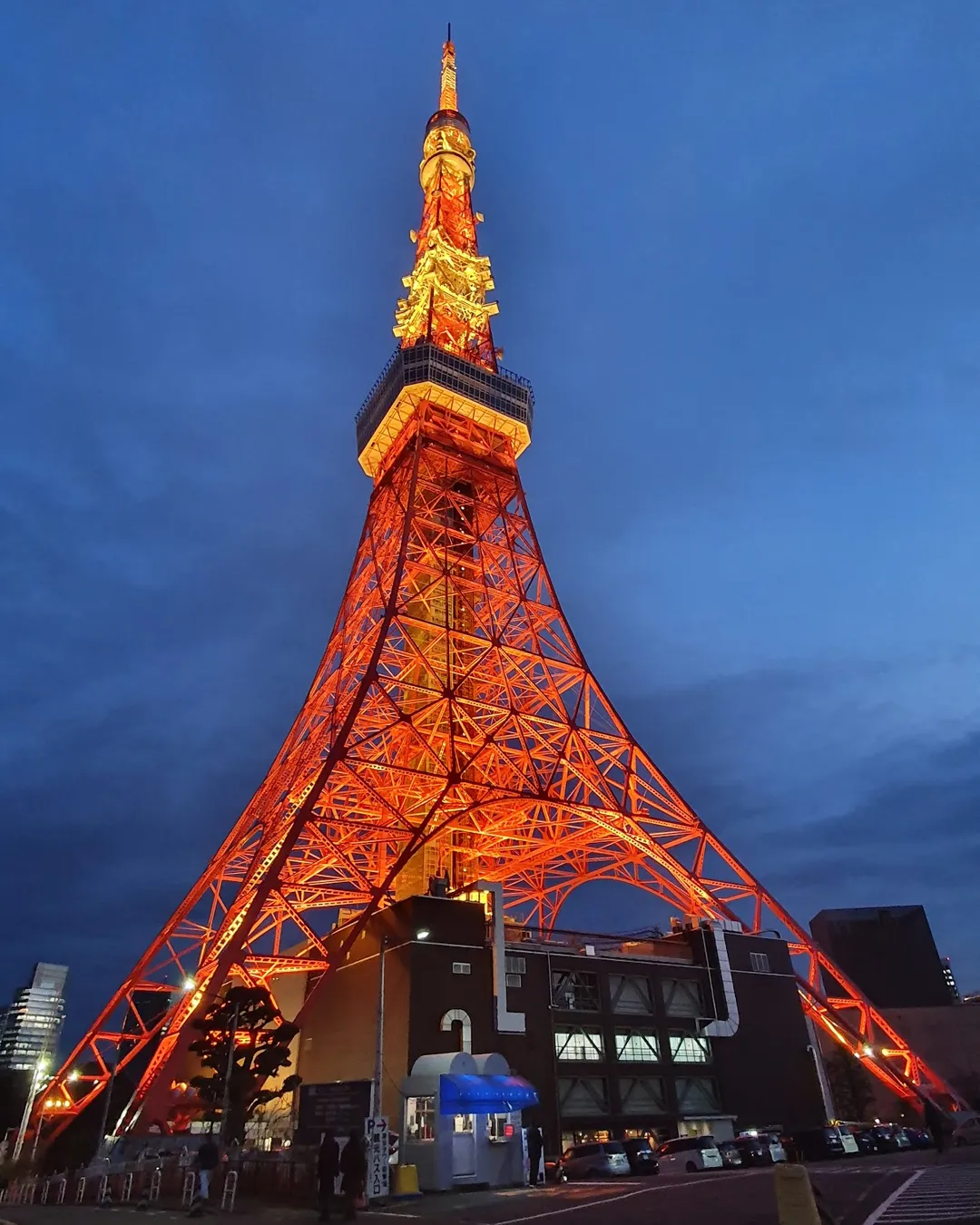
Standing proudly at 333 meters, Tokyo Tower has been one of the city’s most recognizable symbols since 1958. Its warm orange and white lattice design, inspired by the Eiffel Tower, embodies postwar Japan’s ambition and forward momentum. More than just a communications structure, Tokyo Tower is a living emblem of the nation’s optimism and ingenuity.
Visitors can ascend to two main observation decks for panoramic views of Tokyo’s skyline. On clear days, you can even spot Mount Fuji in the distance—a breathtaking reward that many travelers dream of capturing in photographs. The view transforms with the time of day: mornings offer clarity and depth, evenings glow with sunset hues, and nights glitter with an ocean of city lights.
The Main Deck, located 150 meters up, provides a full 360-degree view of the capital. For an even higher vantage point, the Top Deck at 250 meters delivers a spectacular perspective of Tokyo’s urban sprawl. The experience is enhanced with interactive displays, gentle ambient music, and a sleek modern design that makes you feel like you’re floating above the city.
Nearby Attractions and Tips
After soaking in the view, take time to explore the area around Tokyo Tower. The surrounding Shiba-koen Park offers charming walking paths and green spaces where you can relax and enjoy the peaceful contrast to the tower’s modernity. A few steps away, you’ll find Zojo-ji Temple, an ancient Buddhist temple that beautifully complements the tower’s futuristic silhouette—an image that perfectly captures Tokyo’s essence: tradition meeting innovation.
Grab a coffee at one of the nearby cafés or browse the souvenir shops at the tower’s base for keepsakes that reflect Tokyo’s playful side. If you visit in the evening, stay to see the tower illuminated in brilliant seasonal colors—it’s one of the most photogenic moments in Tokyo.
Shibuya Crossing
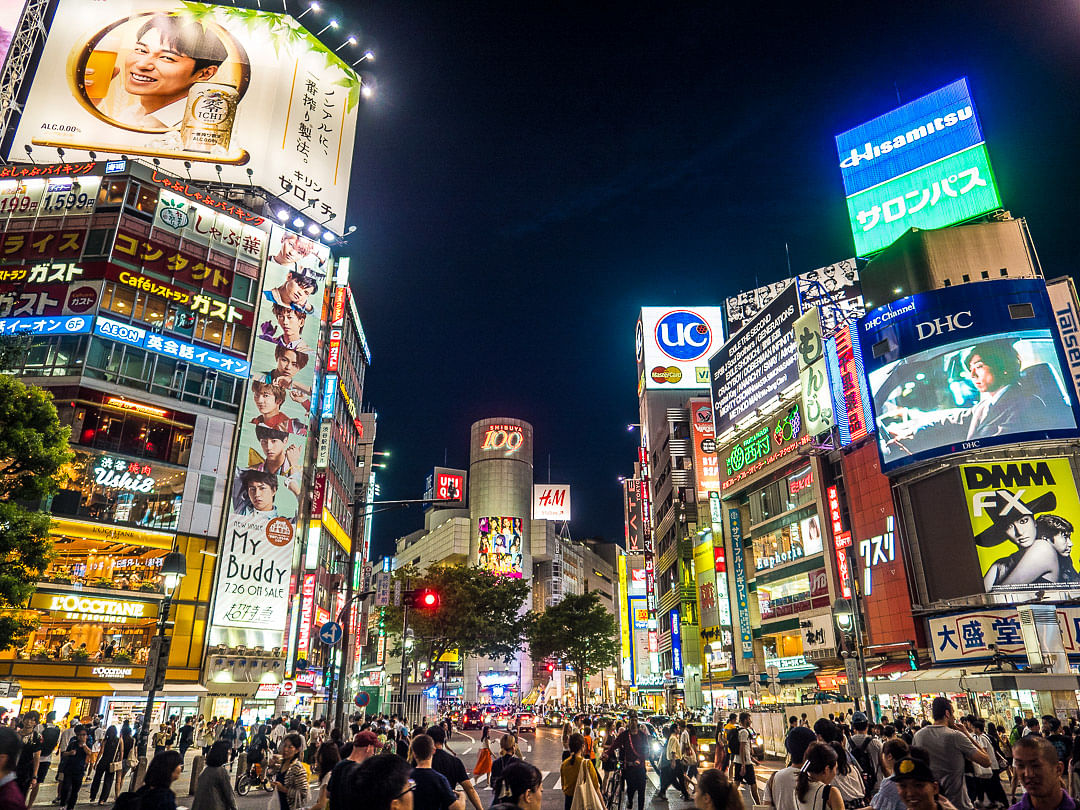
If Tokyo Tower symbolizes ambition, Shibuya Crossing represents the heartbeat of the city. It’s one of the busiest pedestrian intersections on the planet, with thousands of people surging across from all directions every few minutes. Yet despite the chaos, everything moves with perfect coordination—an organized ballet of movement that reflects Japan’s deep respect for order and efficiency.
Standing at Shibuya Crossing is one of those quintessential Tokyo experiences that every traveler should have at least once. As the traffic lights turn red, an ocean of humanity floods the streets. The moment is electrifying—a mix of excitement, wonder, and disbelief that so many people can move so seamlessly at once.
The best way to appreciate Shibuya Crossing is to join in. Step off the curb when the signal changes and let yourself become part of the flow. Look up at the massive digital billboards flashing advertisements and music videos; feel the pulse of Tokyo beneath your feet. It’s an experience that’s both humbling and exhilarating.
For an overhead view, head to Shibuya Scramble Square or grab a seat by the window at the Starbucks located on the second floor of the Tsutaya building. From above, the crossing becomes a mesmerizing time-lapse of movement and color—a living piece of modern art.
Beyond the Crossing
Once you’ve experienced the crossing, spend some time exploring Shibuya’s streets. The neighborhood is packed with trendy boutiques, record stores, izakayas (Japanese pubs), and sushi bars. Don’t miss Center Gai, a narrow pedestrian street filled with fashion-forward shops and youth culture. For a quieter moment, pay homage to Hachiko, the loyal dog whose bronze statue near the station is a beloved meeting spot and symbol of unwavering devotion.
At night, Shibuya glows with energy. Neon lights reflect on rain-soaked pavement, and music spills from every doorway. Whether you’re people-watching, shopping, or simply taking in the atmosphere, Shibuya offers a front-row seat to Tokyo’s vibrant soul.
Senso-ji Temple

Step into Asakusa, and you’ll feel as though you’ve traveled back in time. Amid the modernity of Tokyo lies Senso-ji Temple, the city’s oldest and most significant Buddhist temple. Established in the 7th century, Senso-ji has endured wars, fires, and natural disasters, yet it remains a symbol of resilience and faith.
Your journey begins at the Kaminarimon Gate, marked by its massive red paper lantern adorned with the characters for “Thunder Gate.” This is one of Tokyo’s most photographed icons and serves as the grand entrance to the temple grounds. As you pass beneath it, you’ll find yourself on Nakamise-dori, a bustling street lined with stalls selling traditional snacks, handcrafted souvenirs, and colorful kimonos. The aroma of freshly made ningyo-yaki (small sponge cakes filled with red bean paste) and senbei (rice crackers) fills the air.
Nakamise Street isn’t just a shopping area—it’s part of the temple experience itself. For centuries, it has served as a marketplace for pilgrims and travelers, preserving a sense of continuity between old and new Japan.
At the end of the street stands the Hozomon Gate, beyond which lies the main temple hall. Before entering, visitors stop at the purification fountain (chozuya) to cleanse their hands and mouth—a symbolic gesture of respect and purification. You’ll also notice clouds of incense rising from the Jokoro (incense burner). Locals and visitors alike waft the fragrant smoke toward themselves, believing it brings good health and fortune.
Inside the main hall, you can offer a coin, clap your hands, and make a silent wish. The atmosphere is deeply spiritual, filled with the soft murmur of prayers and the gentle sound of temple bells. Despite being one of Tokyo’s busiest tourist spots, Senso-ji retains a sense of serenity that invites reflection.
Beyond the Temple Grounds
Behind the main hall, tranquil gardens, small shrines, and koi ponds offer peaceful escapes from the crowds. You can also find the Five-Story Pagoda, a striking structure that adds to the temple’s grandeur. As evening falls, the temple complex takes on a magical glow, with lanterns illuminating the pathways and creating an almost cinematic atmosphere.
If you’re planning to visit in spring, the area around Senso-ji is stunning during cherry blossom season. The contrast of pink blossoms against the temple’s red architecture makes for unforgettable photos. And in late summer, the Asakusa Samba Carnival fills the streets with vibrant parades and music, showing Tokyo’s lighter, more festive side.
Meiji Shrine
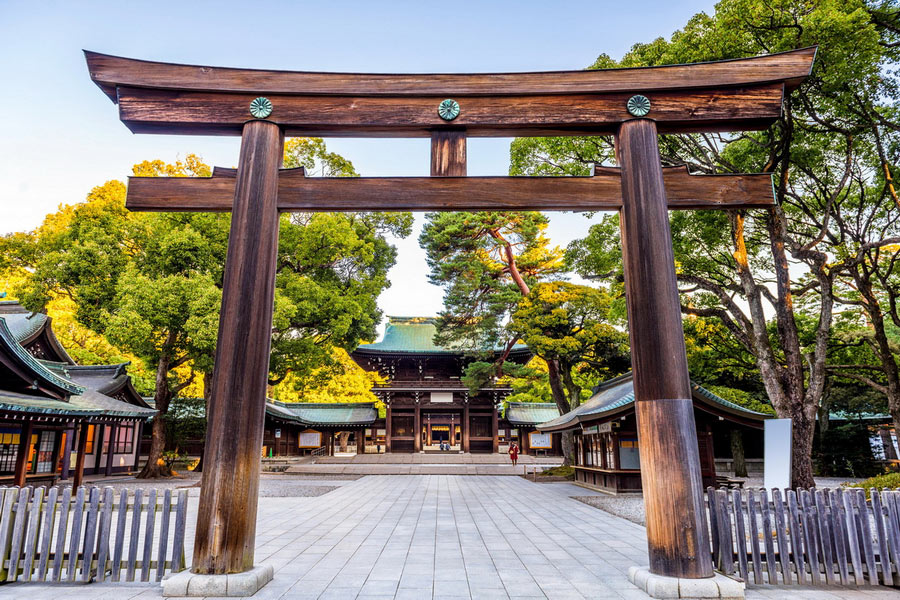
Nestled between the lively districts of Harajuku and Shibuya, Meiji Shrine (Meiji Jingu) offers a rare moment of calm in the middle of Tokyo’s urban buzz. Dedicated to Emperor Meiji and Empress Shoken, the shrine stands as a monument to Japan’s modernization during the Meiji era—a time when the nation began to embrace Western influences while preserving its cultural identity.
The approach to the shrine is as beautiful as the shrine itself. Passing through the towering wooden torii gates, you’ll walk along a gravel path surrounded by over 100,000 trees donated from all over Japan. The forest feels ancient, tranquil, and impossibly quiet considering how close you are to one of the busiest cities in the world.
The main shrine buildings, constructed in traditional Nagare-zukuri style, exude simplicity and harmony. Here, you can witness Shinto rituals, weddings, and festivals that continue to this day. Visitors are welcome to write wishes on Ema (wooden plaques) and hang them near the main hall. Many travelers write hopes for love, health, or success—a universal human connection that transcends language and culture.
As you wander, you may come across barrels of sake and wine, gifts from brewers and vineyards to honor the deities. These vividly painted barrels, stacked along the pathway, have become one of the shrine’s most recognizable photo spots.
Seasonal Highlights
Meiji Shrine transforms with each season. In spring, plum and cherry blossoms add pastel shades to the forest. Summer brings lush greenery, autumn turns the leaves into a blaze of amber and gold, and winter offers crisp air and quiet paths. Visiting early in the morning or just before sunset provides the most peaceful atmosphere.
If you visit during New Year’s, you’ll witness Hatsumode, Japan’s first shrine visit of the year, where millions of people gather to pray for blessings. Despite the crowds, there’s a deep sense of unity and hope that perfectly captures Japan’s spiritual heart.
So…Does Tokyo Deserves a Spot on Your Bucket List?
Tokyo isn’t just Japan’s capital—it’s a living, breathing experience that embodies everything travelers seek: discovery, culture, flavor, and emotion. Whether you’re marveling at the skyline from Tokyo Tower, crossing paths with thousands at Shibuya Crossing, finding peace at Meiji Shrine, or stepping back in time at Senso-ji Temple, every moment feels cinematic.
Every traveler leaves Tokyo changed in some small way. Maybe it’s the politeness of strangers, the perfection of a bowl of ramen, or the quiet hum of a train gliding into the station. Tokyo teaches you to appreciate the details—the way the city balances chaos and calm, modernity and mindfulness.
As the neon lights fade into the distance on your last night, you’ll likely find yourself already planning your return. Because once Tokyo captures your heart, it never really lets go.
For those who crave authenticity wrapped in excitement, Tokyo is the ultimate adventure. Come for the sights, stay for the feeling—and let this city show you how beautiful contrast can be.
